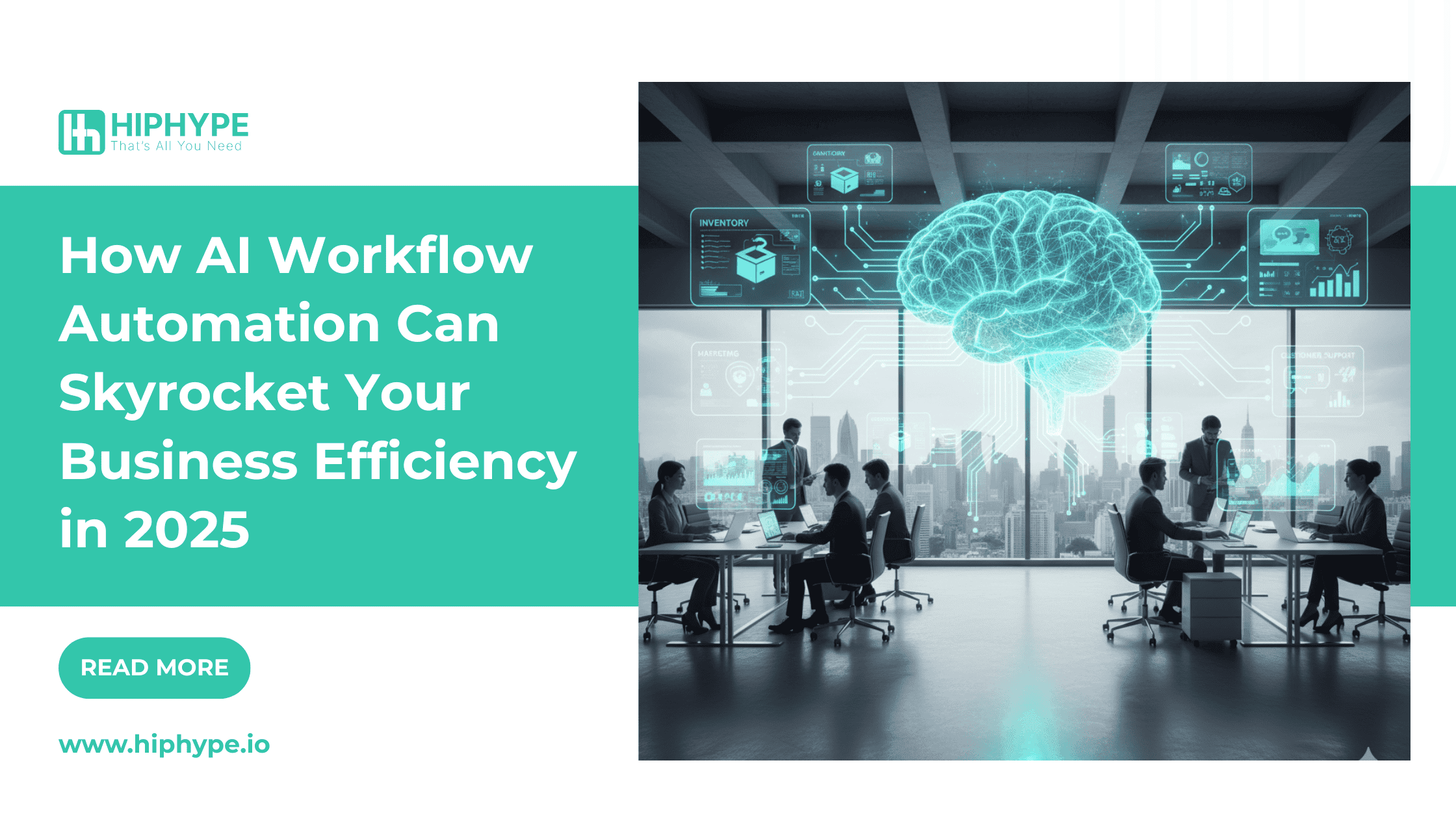
In today’s fast-paced world, businesses are always looking for ways to work smarter, not harder. AI workflow automation is a game-changer that can help you save time, cut costs, and boost productivity. By 2025, companies using AI to streamline their processes are seeing incredible results. Let’s dive into how AI workflow automation can transform your business, using simple language and real-world examples to make it easy to understand.
What is AI Workflow Automation?
AI workflow automation uses artificial intelligence to handle repetitive tasks, make decisions, and streamline processes without human intervention. Think of it as a super-smart assistant that works 24/7, taking care of boring, time-consuming tasks so your team can focus on what matters most—like growing your business.
For example, instead of manually sorting emails or entering data into spreadsheets, AI can do it in seconds. It’s like having a team member who never sleeps, never makes mistakes, and always gets the job done.
Why It Matters in 2025
The business world is more competitive than ever, and staying ahead means being efficient. AI workflow automation helps businesses:
- Save time on repetitive tasks
- Reduce errors and improve accuracy
- Cut operational costs
- Improve customer experiences
- Scale operations without hiring more staff
In 2025, companies that embrace AI automation are leading the pack, while those stuck in manual processes are falling behind.
Key Benefits of AI Workflow Automation
Let’s break down the top ways AI workflow automation can supercharge your business efficiency.
1. Save Time on Repetitive Tasks
Repetitive tasks like data entry, scheduling, or invoice processing can eat up hours of your team’s time. AI can automate these tasks, completing them in a fraction of the time. For example, an AI tool can process customer inquiries, sort them by priority, and even draft responses—all in seconds.
Example: A small e-commerce business uses AI to automatically update inventory and send order confirmations. This saves their team 10 hours a week, letting them focus on marketing and sales.
2. Reduce Errors and Boost Accuracy
Humans make mistakes—especially when tired or overworked. AI, on the other hand, is consistent and precise. By automating tasks like data analysis or financial reporting, AI ensures accuracy and eliminates costly errors.
Example: A marketing agency uses AI to analyze campaign data. The AI spots trends and errors in seconds, ensuring reports are accurate and actionable.
3. Cut Costs Without Sacrificing Quality
Hiring more staff to handle growing workloads can be expensive. AI workflow automation lets you scale operations without adding headcount. It’s like getting a full-time employee at a fraction of the cost.
Example: A logistics company uses AI to optimize delivery routes. This cuts fuel costs by 15% and speeds up deliveries, all without hiring more drivers.
4. Enhance Customer Experience
Customers expect fast, personalized service in 2025. AI can analyze customer data, predict their needs, and provide tailored responses—whether it’s through chatbots, personalized emails, or product recommendations.
Example: A retail store uses an AI chatbot to answer customer questions 24/7. The chatbot resolves 80% of inquiries instantly, keeping customers happy and freeing up staff.
5. Scale Your Business Effortlessly
As your business grows, so do your workloads. AI workflow automation makes it easy to scale without chaos. Whether it’s processing more orders, managing larger datasets, or handling more customer inquiries, AI can handle the extra work seamlessly.
How to Get Started with AI Workflow Automation in 2025
Ready to skyrocket your business efficiency? Here’s how to start using AI workflow automation:
- Identify Repetitive Tasks: Look for tasks that take up a lot of time, like data entry, customer support, or inventory management. These are perfect for automation.
- Choose the Right Tools: There are tons of AI tools out there, like Zapier, UiPath, or HubSpot. Pick one that fits your budget and needs.
- Start Small: Test AI automation on one process, like automating email responses. Once you see results, expand to other areas.
- Train Your Team: Make sure your team knows how to use the AI tools. Most platforms are user-friendly, but a quick training session can go a long way.
- Monitor and Improve: Keep an eye on how the AI is performing. Use analytics to tweak processes and get even better results.
Real-World Examples of AI Workflow Automation
Still not convinced? Here are a few ways businesses are already using AI workflow automation in 2025:
- Retail: AI automates inventory tracking, predicts stock needs, and sends reorder alerts, reducing stockouts by 20%.
- Healthcare: AI streamlines patient scheduling and medical record management, cutting administrative time by 30%.
- Marketing: AI analyzes customer behavior and automates personalized email campaigns, boosting open rates by 25%.
- Finance: AI handles expense tracking and fraud detection, saving companies millions in potential losses.
Challenges to Watch Out For
While AI workflow automation is powerful, it’s not perfect. Here are a few challenges to keep in mind:
- Initial Setup Costs: Some AI tools require an upfront investment, but they pay off in the long run.
- Learning Curve: Your team may need time to get comfortable with new tools.
- Data Privacy: Make sure your AI tools comply with data protection laws to keep customer information safe.
By planning ahead, you can overcome these challenges and unlock the full potential of AI automation.
The Future of Business is AI-Powered
In 2025, AI workflow automation isn’t just a trend—it’s a must-have for businesses that want to stay competitive. By automating repetitive tasks, reducing errors, cutting costs, and improving customer experiences, AI can take your business to the next level.
Conclusion
Don’t let manual processes hold your business back. Embrace AI workflow automation in 2025 to save time, cut costs, and skyrocket your efficiency. With the right tools and strategy, your business can thrive in the AI-powered future.