Introduction
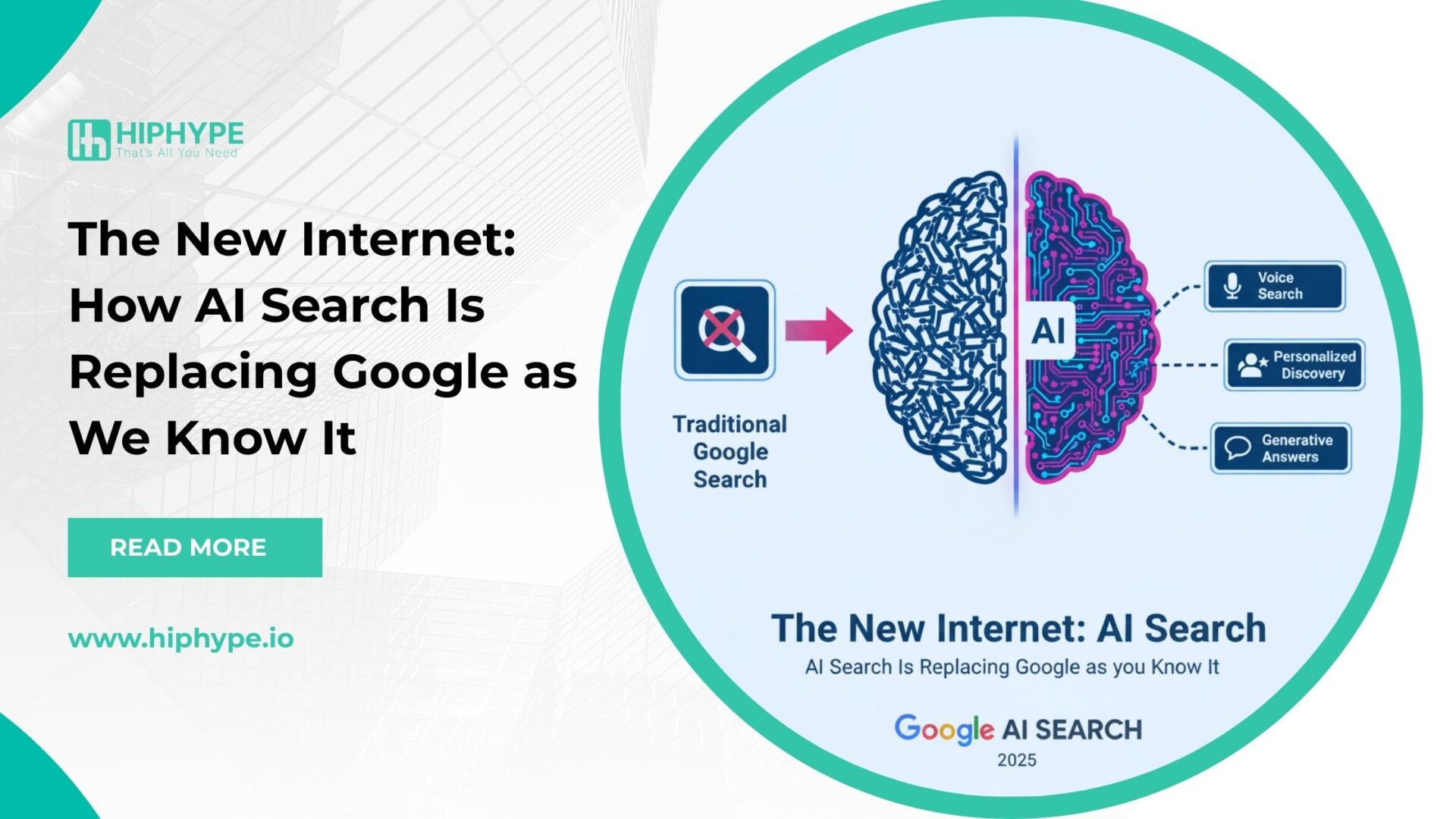
Search is changing faster in 2025 than ever before. For years, Google controlled how people discovered information, brands, and products. But today, a new wave of AI search engines—like ChatGPT Search, Perplexity, and GPT-powered discovery tools—is rewriting how people find answers online.
This shift is so big that many experts call it the beginning of a new internet era, where AI discovery replaces traditional SEO-first search behavior.
In this blog, we’ll explore how AI search is replacing Google, why users now prefer conversational answers, and what this change means for businesses, creators, and marketers.
Why AI Search Is Rising Faster Than Traditional Google Search
1. People Want Direct Answers, Not Pages
Traditional Google search shows:
- 10 blue links
- Ads
- SEO-heavy content
- Multiple clicks before the answer
AI search gives:
- One clear answer
- No ads
- No clicking around
- Personalized responses based on past queries
AI search tools like Perplexity and ChatGPT Search act more like smart assistants, not search engines.
2. AI Search Understands Context Better
Google works by matching keywords.
AI works by understanding meaning.
Ask Google:
How do I grow my business with AI?
You’ll get articles, ads, videos.
Ask AI search:
How do I grow my business with AI?
You’ll get:
- A personalized step-by-step plan
- Recommended tools
- Ready-to-use strategies
This contextual intelligence is why AI is quickly becoming the preferred discovery tool.
3. AI Search Reduces “Search Fatigue”
People are tired of scrolling through ads and SEO-stuffed content.
AI search removes noise.
AI platforms:
- Summarize the internet for you
- Compare products
- Give expert-level breakdowns
- Reduce time spent searching
This shift is changing user habits permanently.
How AI Discovery Tools Like Perplexity and ChatGPT Search Work
Perplexity
- Acts like an AI researcher
- Gives citations
- Provides detailed breakdowns
- Great for in-depth learning
ChatGPT Search / GPT-based discovery
- Great for quick answers
- Helps with planning, ideas, decisions
- Offers personalized advice
- Best for creative and strategic queries
Together, they create a new ecosystem where people search less and ask more.
What This Means for Businesses and Creators
AI search doesn’t just change user behavior—it changes how brands must market.
1. SEO Alone Is No Longer Enough
Traditional SEO strategies (keywords, backlinks, long blogs) are losing power.
Now the focus shifts to:
- High-quality insights
- Expertise-driven content
- Problem-solving guides
- AI-friendly structured data
2. Brands Must Optimize for AI Discovery
Instead of only ranking on Google, brands need to appear inside:
- AI answers
- AI summaries
- AI recommendations
- AI comparisons
This new approach is called AI Discovery Optimization (AIDO).
3. User Intent Is Evolving
People are no longer searching for “best tools for marketing.
They ask AI:
What tool should I use for my small marketing agency?
This means:
- Hyper-personalized answers
- Context-aware suggestions
- New opportunities for niche businesses
Is This the End of Google?
Google is still powerful.
But the way people use the internet is changing.
AI search:
- Reduces reliance on websites
- Decreases organic traffic
- Creates a “zero-click” internet
- Gives users faster results
Google will evolve, but AI search will dominate question-based and research-based discovery.
Conclusion
AI search isn’t just another tool—it’s the beginning of a new internet era. Platforms like Perplexity, ChatGPT Search, and GPT-powered discovery engines are replacing the old keyword-based search model with a smarter, faster, and more human-like experience.
For businesses, creators, and marketers, adapting to this shift is no longer optional.
The winners of 2025 will be the brands that understand AI discovery, optimize for AI-driven recommendations, and create content built for conversational search—not just Google rankings.
The future of discovery is here—and it’s powered by AI.