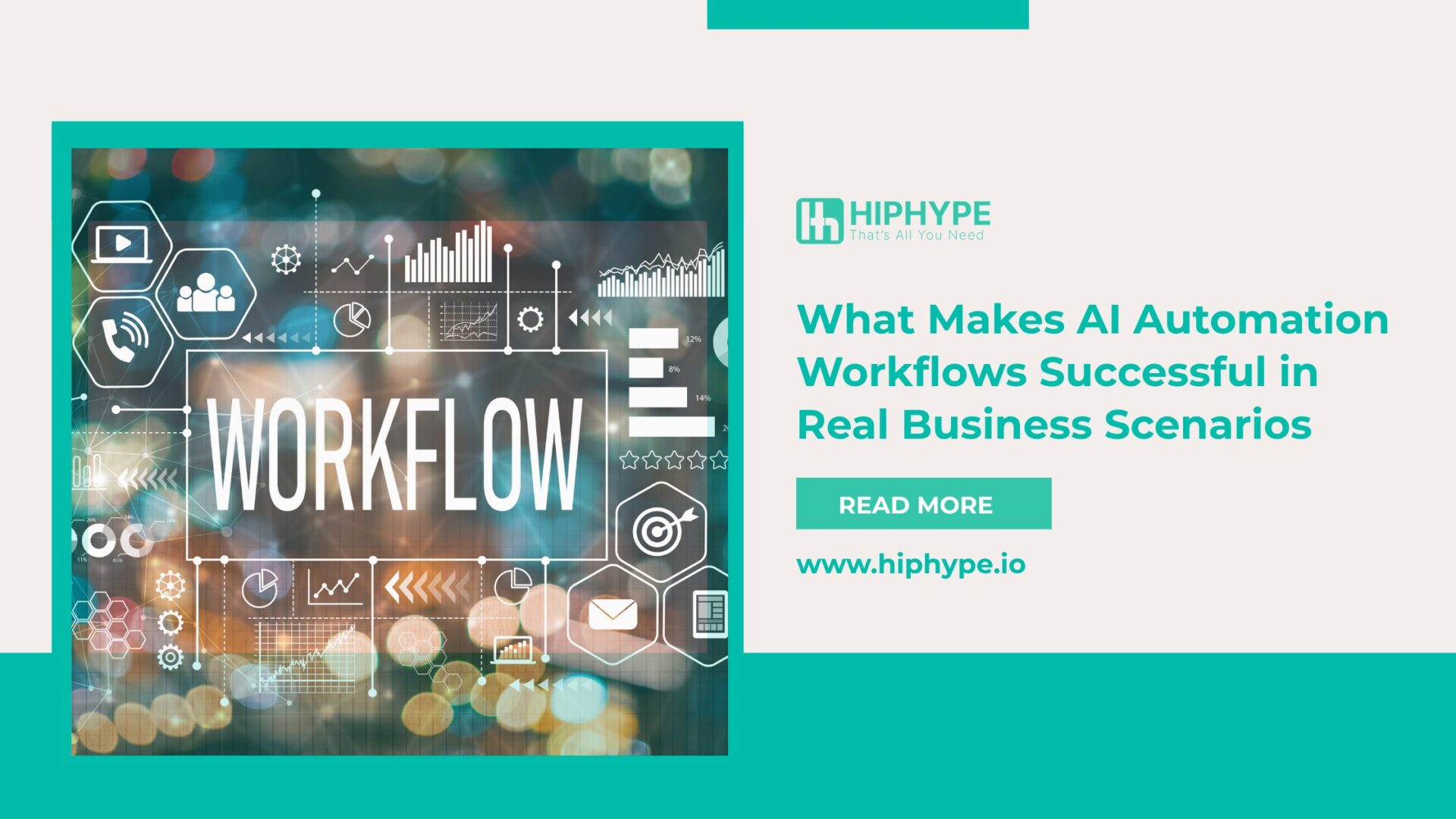
Many businesses today are adopting AI automation workflows to reduce manual work and improve efficiency.
From handling customer communication to managing internal processes, automation is becoming a regular part of daily operations. However, simply setting up automation does not always lead to better results.
The difference lies in how these workflows are designed, connected, and managed.
Understanding AI Automation Workflows
AI automation workflows are structured processes where tasks are handled automatically using predefined rules and tools.
For example:
- Sending follow-up emails after user actions
- Assigning leads based on behavior
- Updating data across systems
These workflows help improve speed and consistency. However, their success depends on the system behind them.
Why Some AI Automation Workflows Do Not Perform Well
In many cases, businesses implement automation without building a strong foundation.
Common challenges include:
- Unclear workflow structure
- Poor tool integration
- Lack of defined goals
- Ignoring user experience
As a result, automation runs, but it does not improve performance in a meaningful way.
Key Factors That Make AI Automation Workflows Successful in Business
1. Clear Business Objective
Every successful workflow starts with a clear goal.
Whether it is:
- Improving response time
- Increasing conversions
- Reducing manual effort
A defined objective ensures that automation is purposeful.
2. Well-Structured Process
Automation should support an existing process, not replace it.
Businesses need to clearly define:
- Triggers
- Actions
- Outcomes
A structured process makes automation more reliable.
3. Strong Integration Between Tools
Most businesses use multiple platforms such as CRM, email tools, and analytics systems.
If these tools are not properly connected:
- Data becomes fragmented
- Workflows break
- Decisions become less effective
Integration ensures smooth and continuous workflow execution.
4. Focus on User Experience
Automation should improve the experience, not make it feel mechanical.
Successful workflows:
- Deliver relevant communication
- Maintain proper timing
- Avoid unnecessary interactions
User-focused automation leads to better engagement.
5. Continuous Monitoring and Improvement
Automation is not a one-time setup.
Businesses should regularly:
- Track performance
- Identify gaps
- Make adjustments
Continuous improvement keeps workflows effective over time.
6. Balance Between AI and Human Input
While AI handles repetitive tasks, human input is still important for decision-making and quality control.
A balanced approach improves both efficiency and accuracy.
7. Alignment with Business Strategy
Automation must align with overall business goals, including marketing, sales, and customer experience.
Without alignment, workflows may operate but fail to deliver real impact.
Real Example of AI Automation Workflow
For instance, a business can set up an AI automation workflow where:
- A user submits a form
- An automated email is sent instantly
- The lead is assigned to the sales team
- Follow-ups are scheduled based on user actions
This structured approach improves response time and increases the chances of conversion.
Common Mistakes Businesses Make
Even with the right tools, common mistakes can reduce effectiveness:
- Using automation without a clear plan
- Over-automating communication
- Not testing workflows
- Ignoring user behavior
Avoiding these mistakes is essential for success.
Impact on Business Performance
When implemented correctly, AI automation workflows can:
- Improve operational efficiency
- Enhance customer engagement
- Increase conversion rates
- Reduce manual workload
Automation becomes a support system for growth, not just a time-saving tool.
Conclusion
AI automation workflows can deliver meaningful results when they are built on a strong foundation.
Success depends on clear objectives, structured processes, proper integration, and a focus on user experience. Businesses that approach automation strategically are more likely to achieve consistent and measurable improvements.
Instead of focusing only on tools, the focus should be on building workflows that are clear, connected, and aligned with business goals.