Technology is evolving quickly, and modern software is becoming smarter than ever before. In the past, digital products worked only according to predefined rules. They performed tasks exactly the way developers programmed them. But today, things are changing.
With the rise of Artificial Intelligence (AI), many companies are building AI-augmented products. These are digital platforms that learn from user interactions and improve over time. Instead of staying static, the software becomes more intelligent as more people use it.
From e-commerce platforms to streaming services and business tools, AI is helping companies create smarter digital experiences. In this blog, we will explore what AI-augmented products are, how they work, and why businesses are increasingly adopting them.
What Are AI-Augmented Products?
AI-augmented products are digital applications or platforms that use artificial intelligence and machine learning to analyze user behavior and improve their performance automatically.
Unlike traditional software, AI-powered products do not rely only on fixed rules. Instead, they learn from data generated by users.
For example, AI systems can analyze:
- how users interact with a website
- what products customers search for
- how users navigate a mobile app
- which content people engage with most
Based on this data, the software adapts and provides better recommendations, faster services, and improved functionality.
In simple terms, AI-augmented software learns from every user interaction and becomes smarter over time.
Why Businesses Are Building AI-Augmented Products
1. Personalizing User Experiences
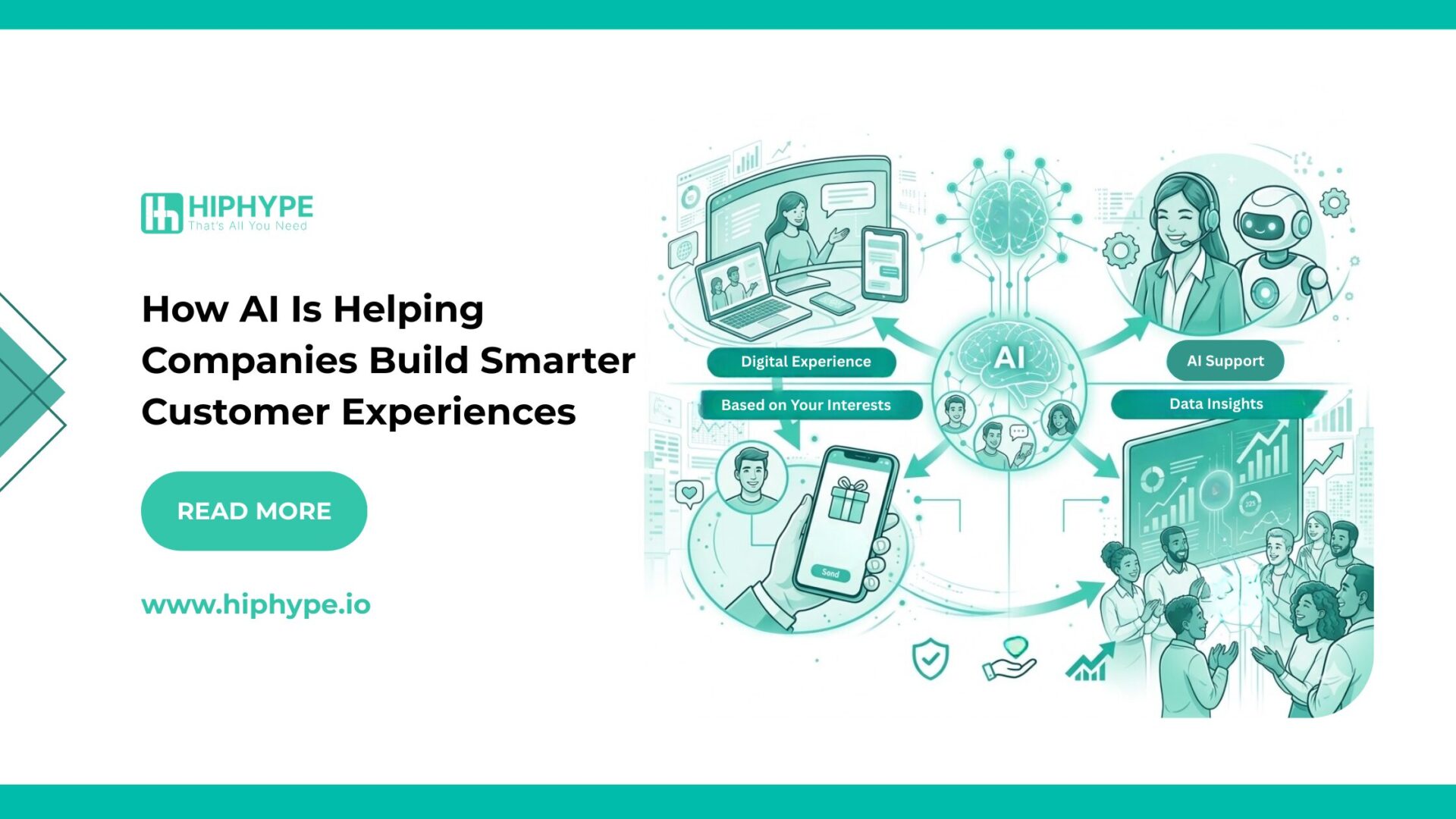
Modern customers expect personalized digital experiences. AI helps businesses analyze user behavior and deliver customized recommendations.
For example, AI-powered platforms can recommend products, content, or services based on previous interactions. This improves engagement and increases customer satisfaction.
2. Turning Data into Valuable Insights
Businesses collect huge amounts of data, but without AI it can be difficult to analyze. AI-augmented systems transform raw data into meaningful insights that help companies understand their customers better.
This enables businesses to make data-driven decisions and improve their digital strategies.
3. Improving Products Continuously
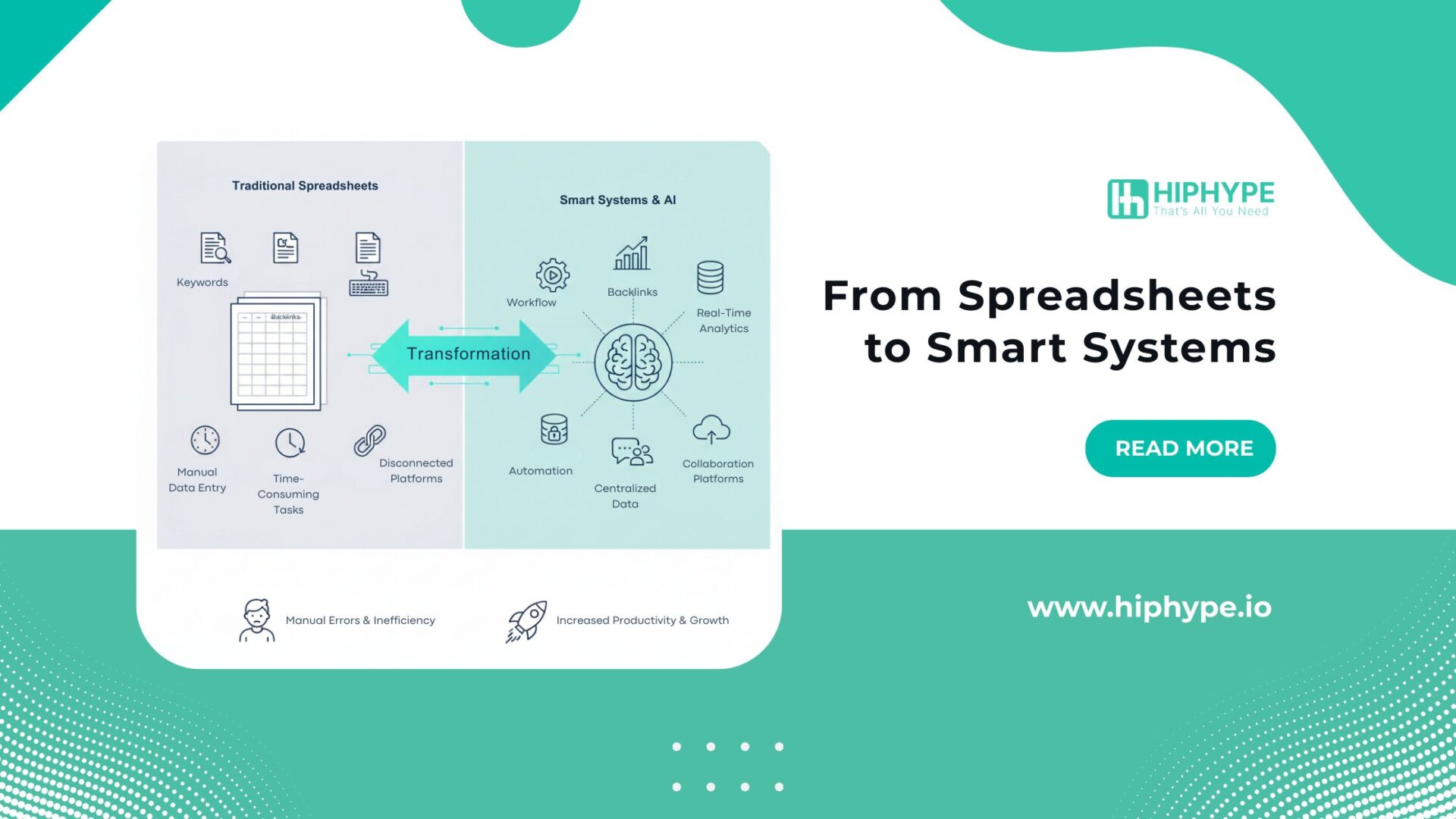
Traditional software remains the same until developers release updates. But AI-augmented products improve automatically by learning from real user interactions.
This continuous learning allows companies to adapt quickly to changing user needs.
4. Automating Repetitive Tasks
AI also helps automate many repetitive tasks. Businesses can use AI-powered systems to manage workflows, analyze user activity, and generate reports automatically.
Automation not only saves time but also increases operational efficiency.
Real-World Examples of AI-Augmented Products
Netflix
Netflix uses AI algorithms to analyze viewing habits and recommend shows or movies based on user preferences.
Amazon
Amazon’s recommendation engine learns from customer searches and purchases to suggest relevant products.
Spotify
Spotify uses AI to understand listening behavior and generate personalized playlists such as Discover Weekly.
Customer Support Platforms
Many companies now use AI-powered chat assistants that learn from customer conversations and improve responses over time.
These examples show how AI-powered digital products learn from users and continuously evolve.
How AI-Augmented Products Benefit Businesses
Better Customer Engagement
Personalized recommendations and intelligent features make users more likely to return and interact with a platform.
Smarter Business Decisions
AI analytics provide insights that help companies understand trends and improve strategies.
Higher Operational Efficiency
Automation reduces manual work and helps teams focus on more strategic tasks.
Competitive Advantage
Businesses that adopt AI-driven technology can innovate faster and offer better digital experiences than competitors.
The Future of AI-Augmented Digital Products
As artificial intelligence continues to advance, AI-augmented platforms will become more common across industries. Future digital products will likely include features such as:
- intelligent recommendations
- predictive analytics
- automated decision support
- personalized customer experiences
Companies that adopt AI early will be better positioned to innovate and scale their digital platforms.
Conclusion
AI-augmented products represent the next stage of digital innovation. By combining traditional software with artificial intelligence, businesses can create systems that learn from user behavior and continuously improve.
These intelligent platforms help companies deliver better customer experiences, gain deeper insights from data, and automate many business processes.
As technology continues to evolve, businesses that integrate AI-powered capabilities into their digital products will have a significant advantage in the modern digital economy.