Introduction
In 2026, choosing the right AI model for business use has become more complex than ever.
New versions are being released frequently, each offering improved capabilities for automation, coding, and workflow management. For businesses looking to automate repetitive tasks, build AI agents, or improve daily operations, selecting the right model is critical.
However, not all AI models perform the same way in real business scenarios.
This article provides a clear and practical comparison of Claude 4.6, Grok 4, Gemini 3.1 Pro, and GPT-5.4, focusing on how they perform in business automation and workflows.
Quick Overview of the Models (2026)
Here is a simplified overview of the four AI models:
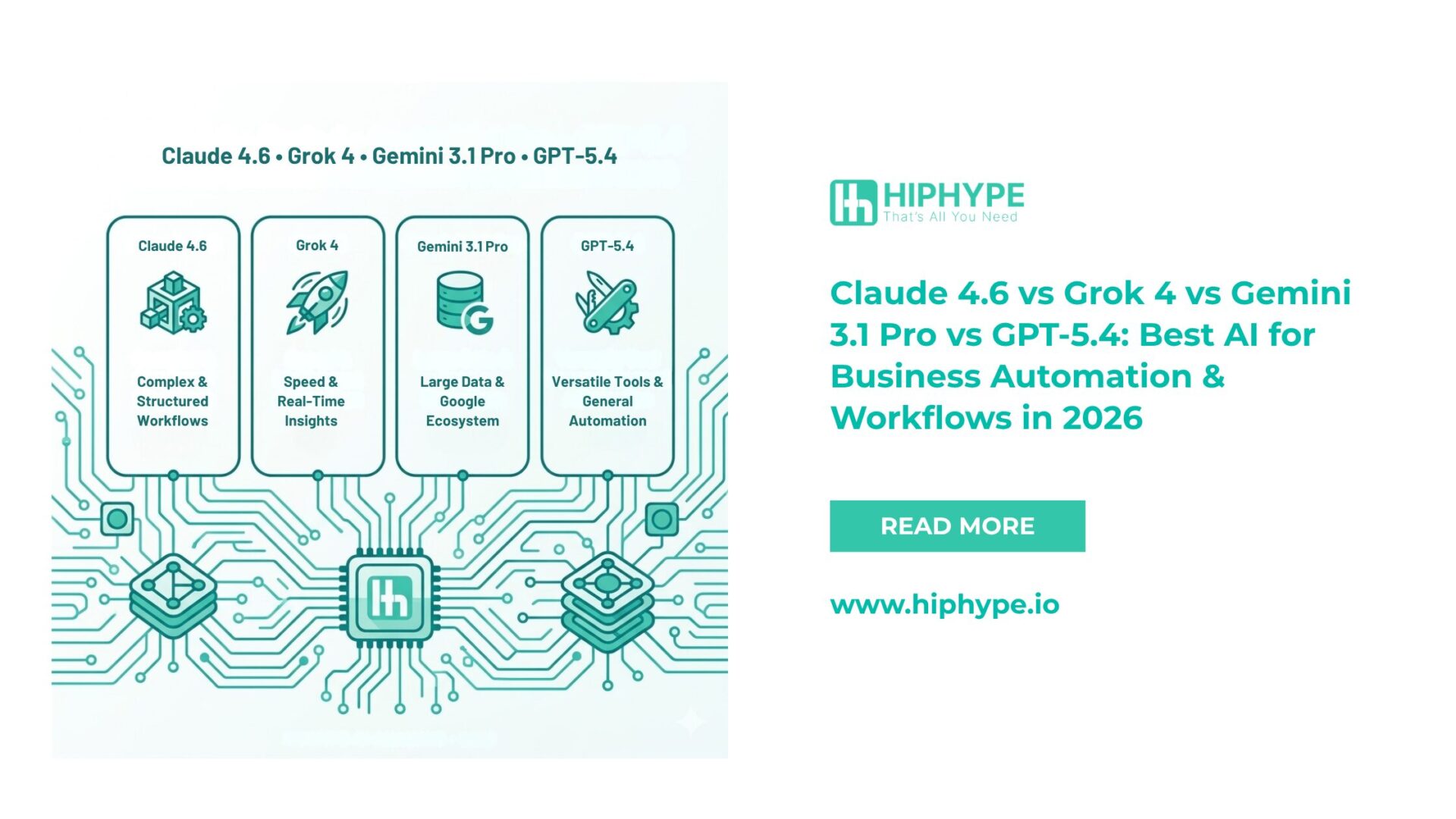
- Claude 4.6 (Anthropic): Strong in complex reasoning, long tasks, and structured workflows
- Grok 4 (xAI): Focused on speed and multi-agent automation
- Gemini 3.1 Pro (Google): Designed for large data processing and deep integration with Google tools
- GPT-5.4 (OpenAI): A versatile model with strong tool usage and workflow capabilities
All these models now support large context windows, making them suitable for handling long documents, codebases, and complex workflows.
Claude 4.6: Best for Complex and Structured Workflows
Claude 4.6 performs well in scenarios that require careful reasoning and multi-step execution.
It is particularly useful for:
- Long and detailed workflows
- Report analysis
- Sales process automation
- Complex coding tasks
One of its key strengths is its ability to follow instructions accurately and reduce errors. This makes it a reliable choice for businesses that require precision and structured outputs.
Grok 4: Best for Speed and Multi-Agent Automation
Grok 4 is designed for fast execution and parallel task handling.
It works well in situations where:
- Multiple small tasks need to run simultaneously
- Quick decisions are required
- Real-time automation is important
Its multi-agent approach allows different processes to work together efficiently, making it suitable for dynamic business environments.
Gemini 3.1 Pro: Best for Large Data and Google Ecosystem
Gemini 3.1 Pro stands out when working with large datasets and long-form content.
It is ideal for:
- Handling large documents and datasets
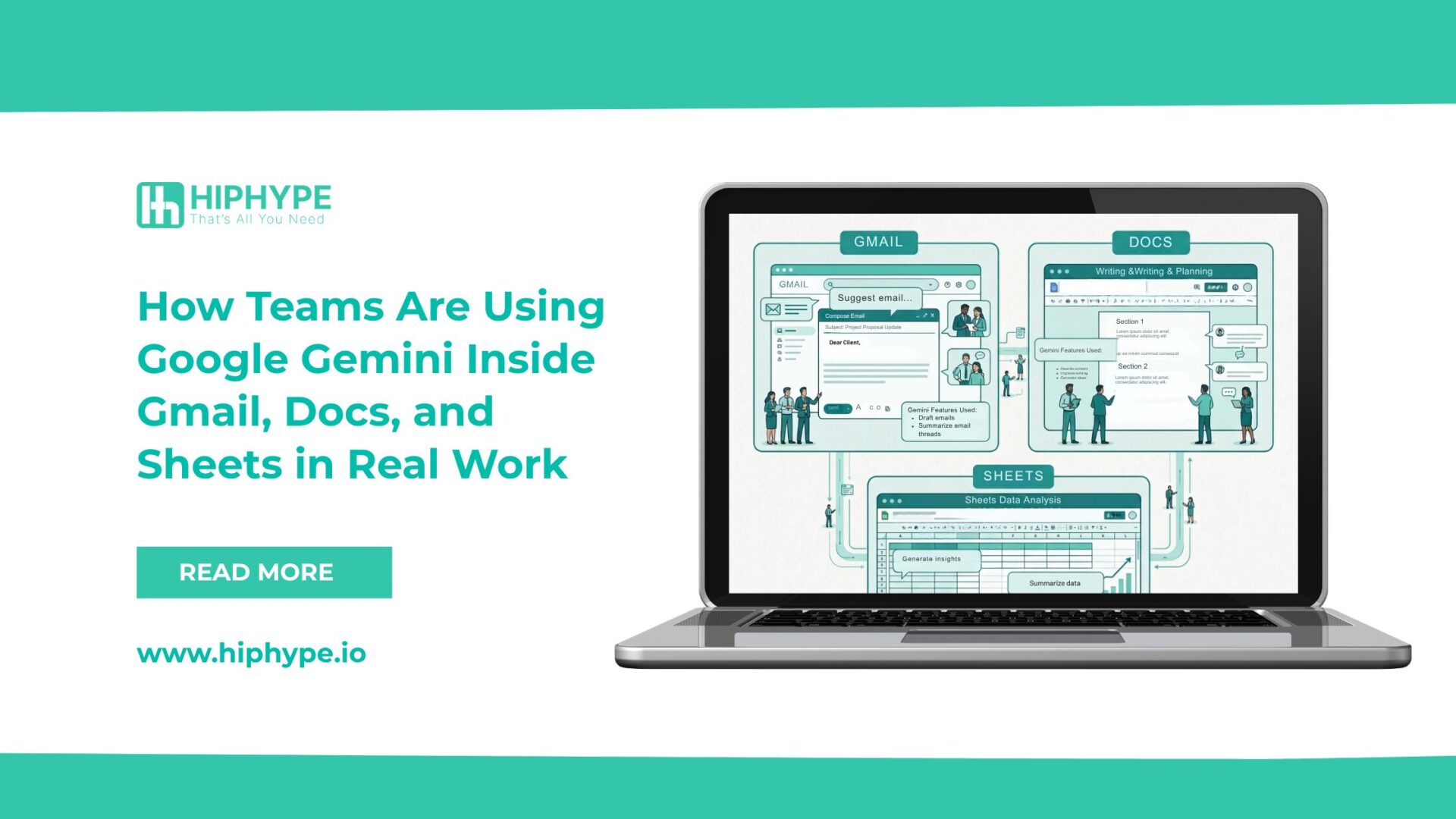
- Working within Google Workspace (Gmail, Docs, Sheets)
- High-volume automation tasks
Its integration with Google tools makes it a natural choice for teams already using the Google ecosystem. It also offers strong value in terms of cost for large-scale operations.
GPT-5.4: A Versatile Option for Business Automation
GPT-5.4 provides a balanced approach across different use cases.
It is suitable for:
- General business automation
- Tool integrations
- Multi-step workflows
- Building AI-driven systems
Its flexibility and mature ecosystem make it a reliable choice for businesses that need an all-in-one solution.
Which AI Model Is Best for Business Automation?
The answer depends on your specific use case.
- If your work involves complex workflows and detailed reasoning, Claude 4.6 is a strong option.
- If you need speed and parallel task execution, Grok 4 is more suitable.
- If your workflows rely on large data and Google tools, Gemini 3.1 Pro is a better fit.
- If you want a flexible and well-rounded solution, GPT-5.4 offers the most balance.
There is no single “best” model for every business. The right choice depends on how you plan to use AI in your workflows.
Key Takeaways for Businesses
When choosing an AI model, businesses should focus on:
- The type of tasks they want to automate
- The tools they already use
- The level of complexity in their workflows
- The importance of speed vs accuracy
Selecting the right model is not just about features. It is about how well the model fits into your existing systems and processes.
Conclusion
AI models in 2026 are more powerful and capable than ever before. However, choosing the right one requires a clear understanding of your business needs.
Claude 4.6, Grok 4, Gemini 3.1 Pro, and GPT-5.4 each offer different strengths. The key is to select the model that aligns with your workflows, goals, and operational requirements.
Instead of looking for a single best option, businesses should focus on finding the right fit for their specific use case.