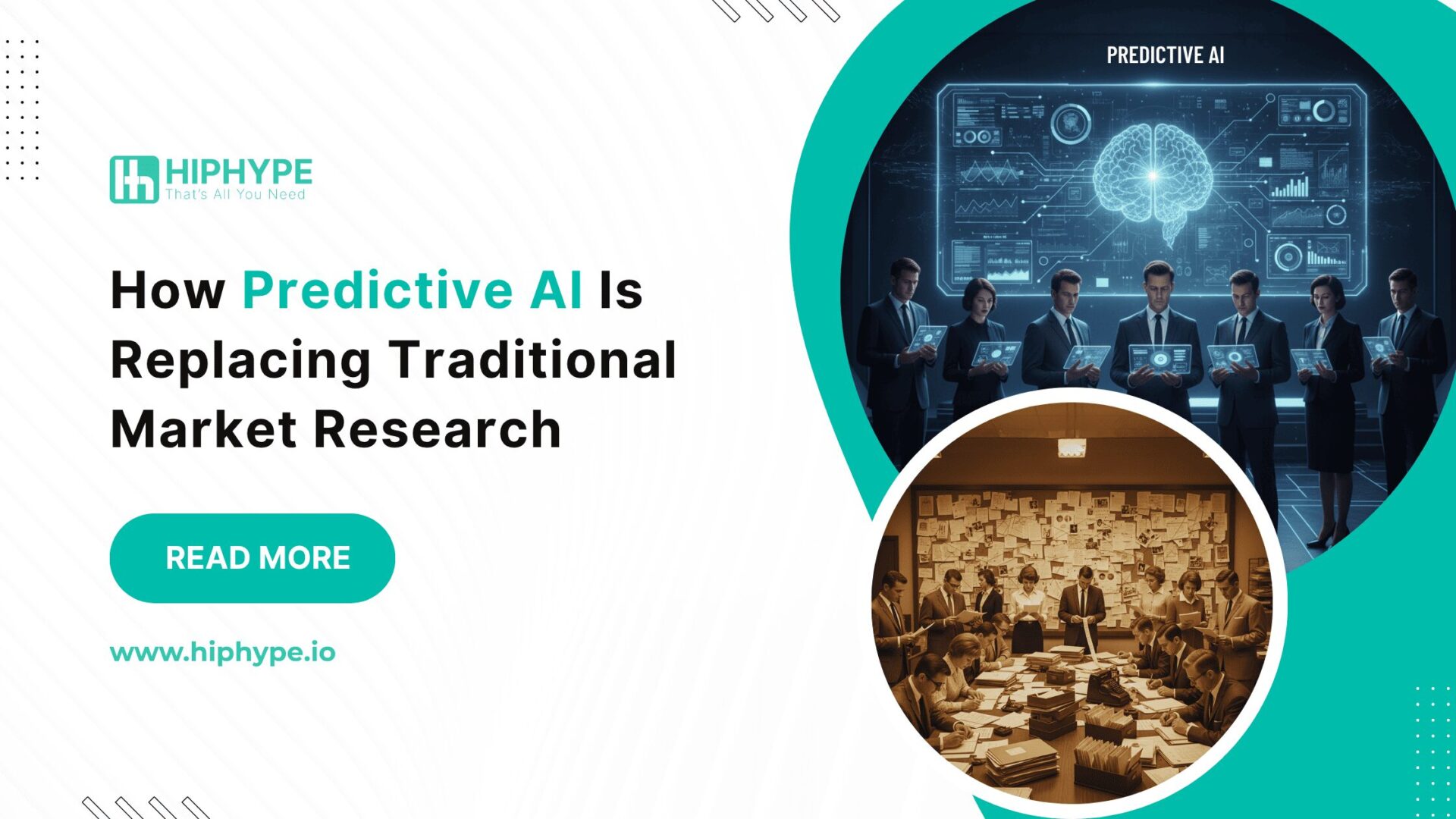
In today’s fast-changing business world, predictive AI is completely transforming the way companies do market research. Instead of waiting weeks for survey results or relying on focus groups that may not reflect real-time behavior, AI now delivers instant insights and accurate forecasts.
This shift is changing how brands understand their audience, plan marketing strategies, and make data-driven decisions. Let’s explore how predictive AI is reshaping traditional market research and why it’s becoming essential for every modern business.
Why Traditional Market Research Falls Behind
For decades, businesses have used surveys, interviews, and demographic studies to understand customers. While useful, these methods are often slow, expensive, and outdated by the time results come in.
For example, dividing customers into basic groups by age, gender, or income used to work. But today, people’s interests change quickly — especially with trends shifting on social media, shopping apps, and online communities. Traditional tools simply can’t keep up with this speed or level of complexity.
That’s where predictive AI steps in.
What Is Predictive AI?
Predictive AI uses artificial intelligence and machine learning to study both past and real-time data to predict what might happen next.
It doesn’t just look at what customers did — it helps brands understand what they’re likely to do next. AI models analyze millions of data points, such as purchase behavior, website visits, social media mentions, and even customer reviews, to reveal patterns that humans might miss.
These insights allow companies to make smarter, faster decisions — like forecasting demand, identifying new trends early, or finding which customers are most likely to buy.
How Predictive AI Is Changing Market Research
1. Smarter Audience Segmentation
Instead of putting customers into large, fixed groups, predictive AI creates real-time, behavior-based segments. It analyzes how people interact with your brand — what they click, buy, or ignore — and predicts what they’ll do next.
This helps businesses talk to each customer in a more personal way, improving engagement and conversion rates.
2. Real-Time Trend Forecasting
AI can track online conversations, social media trends, and reviews to spot new trends before they blow up.
For example, a fashion brand might notice a sudden rise in demand for eco-friendly fabrics through AI analysis, allowing them to launch a new line before competitors even notice the trend.
3. Personalized Experiences
Predictive AI helps businesses personalize recommendations, ads, and offers.
Just like how Netflix recommends what to watch next or how Amazon suggests products, predictive AI makes every customer interaction feel more personal and relevant — which leads to higher satisfaction and loyalty.
4. Better Lead Scoring and Sales Forecasts
AI tools can analyze customer data to identify which leads are most likely to convert. This means sales teams can focus on the right people, saving time and boosting results.
At the same time, AI improves sales forecasts, helping companies plan production and marketing more effectively.
Real Examples of Predictive AI in Action
- Netflix uses predictive algorithms to suggest shows and movies based on what you’ve already watched — helping it keep viewers engaged longer.
- Amazon’s AI-driven recommendation engine predicts what customers might want next, which contributes to over 35% of its total sales.
- Sephora uses AI chatbots to recommend beauty products and predict what customers may want to buy next.
- SKIMS, Kim Kardashian’s brand, used predictive AI to track social media buzz and identify new product opportunities — helping it launch successful campaigns before others caught on.
These examples show how AI-driven insights can increase revenue, reduce waste, and improve customer experiences.
Benefits of Using Predictive AI
- Faster insights: AI analyzes data instantly instead of waiting weeks for survey results.
- Cost-effective: Once set up, it reduces the need for manual research.
- Accurate forecasting: AI predicts consumer behavior with higher precision.
- Scalable: It can handle huge amounts of data from multiple sources.
- Personalized marketing: Every customer gets a more tailored experience.
Challenges to Keep in Mind
Even though predictive AI is powerful, it’s not perfect. Businesses need to make sure they use high-quality, unbiased data. Privacy laws like GDPR must also be respected when collecting customer information.
The best approach is to combine AI insights with human judgment — letting AI handle the heavy data work while experts interpret the results with creativity and empathy.
Conclusion: The Future of Market Research
Predictive AI isn’t just replacing traditional market research — it’s improving it. It gives companies a deeper understanding of customers, helps them make faster decisions, and keeps them ahead in competitive markets.
In the future, brands that combine human creativity with AI-driven insights will have a major advantage.
If you’re ready to modernize your marketing strategy, start exploring predictive AI tools today — because in business, being proactive beats being reactive every time.