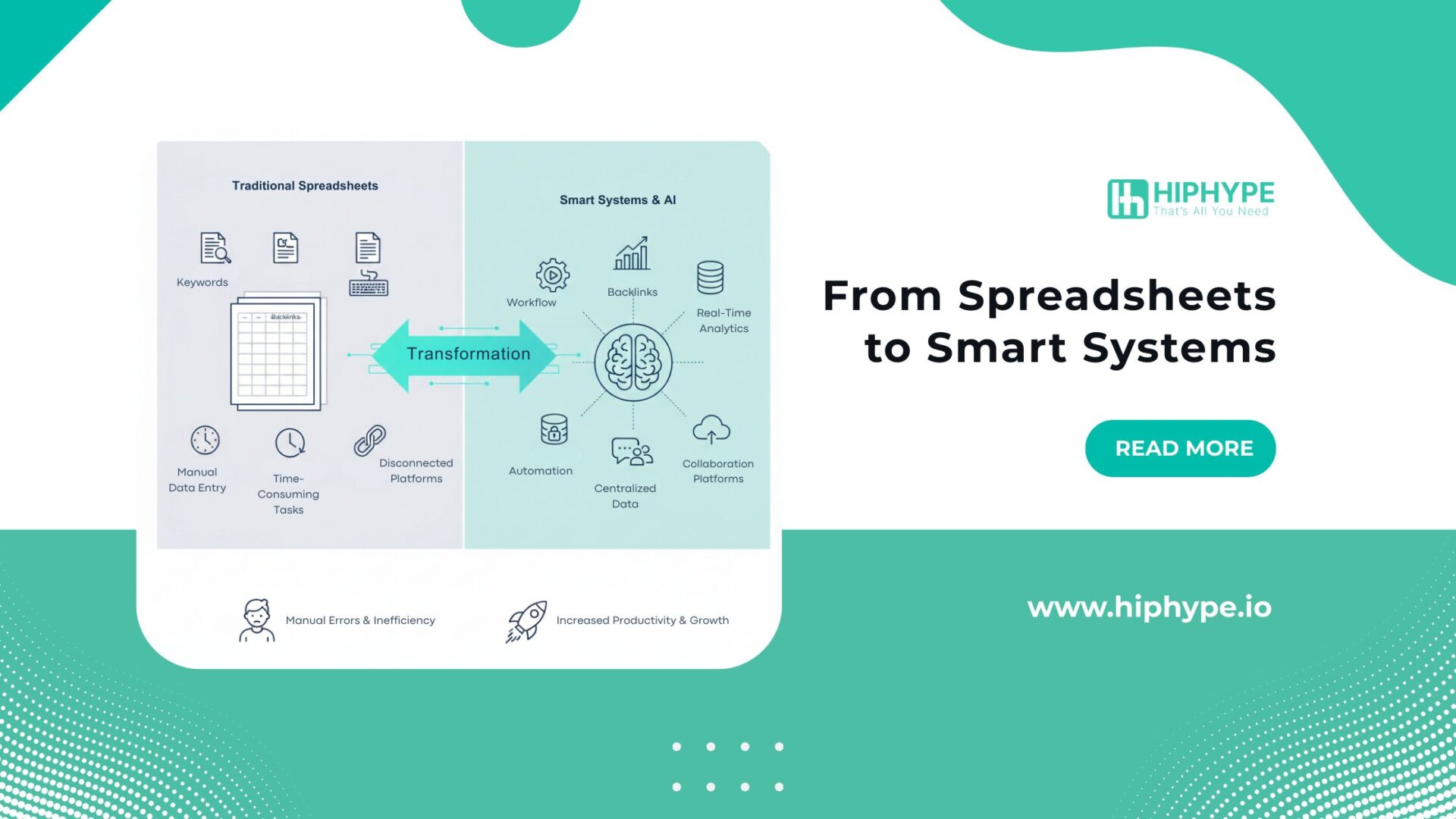
For many years, businesses relied on manual dashboards and spreadsheets to track performance, analyze sales, and understand customer behavior. Tools like Excel or basic reporting dashboards helped teams collect and organize data, but they often required a lot of manual work. Someone had to update numbers, check formulas, and prepare reports regularly.
As companies grow, these manual dashboards start creating problems. Reports become outdated quickly, errors appear more often, and teams spend more time preparing data than actually using it to make decisions.
This is why many modern businesses are replacing manual dashboards with AI-powered insights. Artificial intelligence can analyze data automatically, generate real-time reports, and provide smarter insights that help companies make faster and better decisions.
In today’s digital environment, businesses need data-driven decision making, and AI analytics tools are making that possible.
The Problem with Manual Dashboards
Manual dashboards work well when a business is small and the data volume is limited. However, as operations expand, these dashboards become difficult to manage.
One common issue is manual data updates. Teams often copy data from multiple tools into spreadsheets, which takes time and increases the chances of mistakes. Even a small formula error can lead to incorrect reports.
Another challenge is slow reporting. By the time a report is prepared, the data may already be outdated. This makes it difficult for businesses to respond quickly to market changes.
Manual dashboards also struggle with data integration. Many businesses use multiple tools for marketing, sales, finance, and customer support. Combining this information into one report can be complicated and time-consuming.
Because of these limitations, companies are now looking for smarter ways to manage their data.
What Are AI-Powered Insights?
AI-powered insights use artificial intelligence and advanced analytics to automatically analyze large amounts of data and provide meaningful recommendations.
Instead of manually preparing reports, AI systems collect data from different sources, process it, and present clear insights through intelligent dashboards.
These AI-driven platforms can:
- analyze customer behavior
- detect trends in sales or marketing performance
- predict future outcomes using historical data
- provide real-time dashboards and automated reports
This allows businesses to move from basic reporting to smart business intelligence.
In simple terms, manual dashboards show what happened in the past, while AI-powered insights help businesses understand what is happening now and what may happen next.
Why Businesses Are Moving Toward AI Analytics
Faster Decision Making
AI analytics platforms process data instantly. Instead of waiting hours or days for reports, businesses can see real-time performance metrics and make faster decisions.
For example, a marketing team can instantly see which campaign is performing best and adjust their strategy immediately.
Real-Time Business Insights
One of the biggest advantages of AI dashboards is real-time analytics. Data updates automatically as new information comes in.
This means business leaders always have access to the most accurate and current data.
Reduced Human Errors
Manual dashboards depend on human input, which increases the risk of mistakes. AI systems reduce these risks by automatically collecting and processing data.
This improves data accuracy and reporting reliability.
Better Data Visualization
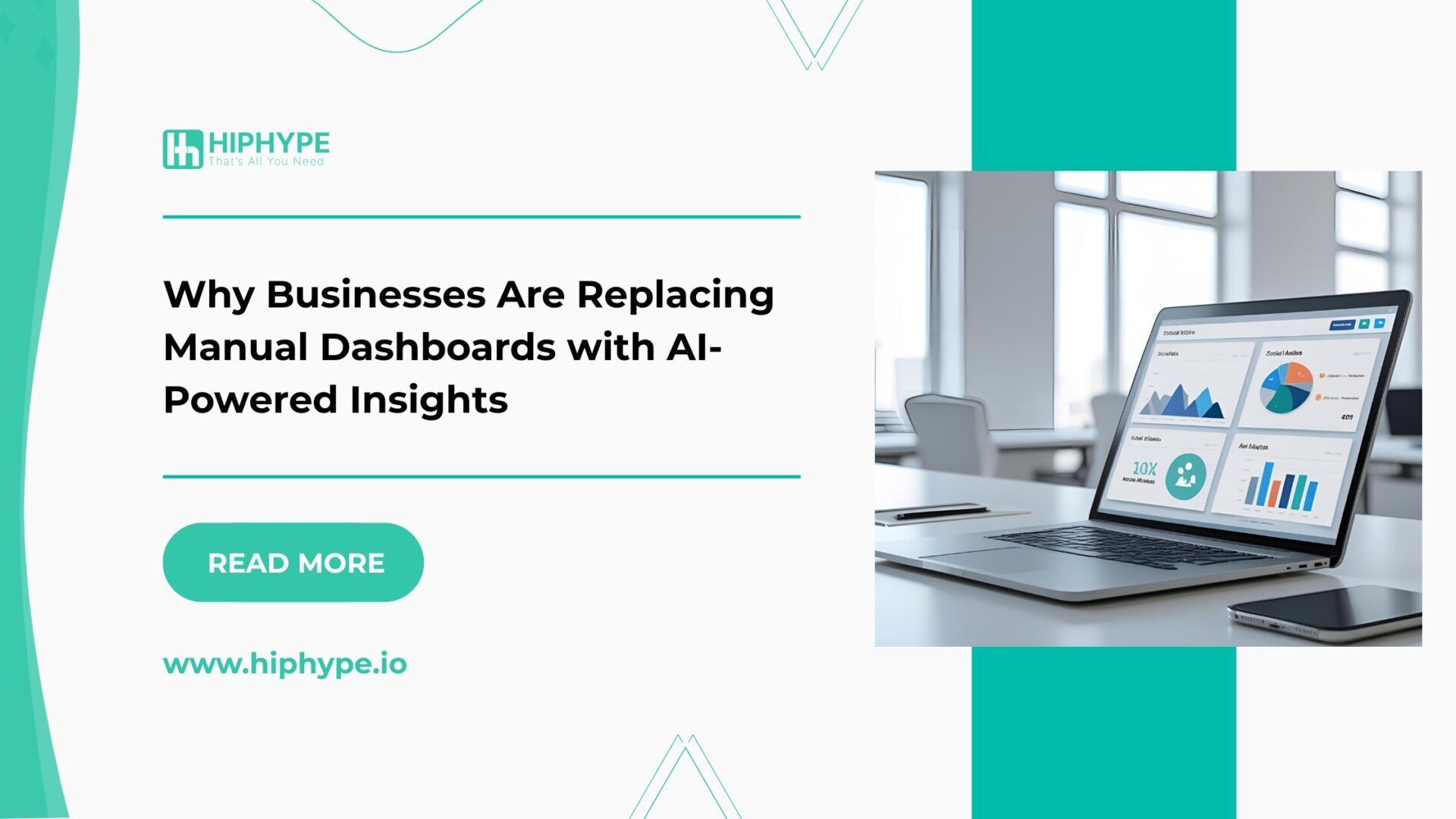
AI-powered dashboards often include smart visualizations such as dynamic charts, performance indicators, and predictive graphs.
These visual tools help teams quickly understand complex data without spending hours analyzing spreadsheets.
Predictive Analytics
Unlike traditional dashboards, AI can identify patterns and forecast future trends.
For example, AI systems can predict:
- sales demand
- marketing performance
- inventory requirements
This helps businesses plan ahead and make proactive decisions.
Real-World Example
Consider a growing e-commerce company that tracks sales, inventory, and marketing performance.
With manual dashboards, the team might spend several hours each week preparing reports from different platforms. By the time the report is ready, the information may already be outdated.
After switching to an AI-powered analytics platform, the company can automatically collect data from all systems. Sales trends, marketing performance, and inventory updates appear in real time on a single dashboard.
This allows the team to identify opportunities faster, optimize campaigns, and manage operations more efficiently.
The Future of Business Intelligence
The future of business intelligence is moving toward AI-driven analytics and automated insights. As data volumes continue to grow, manual reporting methods will become increasingly inefficient.
Businesses that adopt AI-powered dashboards, advanced analytics tools, and automated reporting systems will gain a major competitive advantage.
Instead of spending time preparing reports, teams will focus on understanding insights and improving strategy.
AI will continue to transform how businesses use data, making analytics faster, smarter, and more accessible.
Conclusion
Manual dashboards played an important role in helping businesses manage data in the past. However, as companies grow and data becomes more complex, these traditional methods are no longer enough.
AI-powered insights are changing how businesses analyze data, make decisions, and improve performance. By automating data analysis, providing real-time insights, and predicting future trends, AI helps companies move beyond simple reporting toward true data-driven decision making.
Organizations that adopt AI analytics and intelligent dashboards today will be better prepared for the future of digital business.